
Back
December 1, 2025
Essential First Aid Kit Items For Home, Car, and Workplace
Accidents don’t RSVP. No matter if you're at home, on the road, or halfway through a workday that won’t quit, life has a way of catching you off guard.
That’s why having a solid first aid kit nearby isn’t just practical; it’s smart. You get peace of mind knowing you’re not completely at the mercy of the moment.
Most folks think of first aid kits as some dusty box in a closet or glove compartment. A bandage might seem basic until you're bleeding at a rest stop with napkins and hope.
The point is, being ready isn't about being paranoid. It's about being the calm one when things go sideways.
We’ll break down exactly what to include, where to stash it, and how to stay a step ahead without overcomplicating things.
How To Prepare a Comprehensive Home First Aid Kit
Building a home first aid kit doesn’t mean stockpiling a mini hospital in your hallway. It’s about covering the basics in a way that makes sense for your daily life. You want something that handles cuts, scrapes, fevers, and the occasional sprain without needing to rummage through endless boxes or your medicine cabinet. The key is versatility. Your kit should be ready to handle minor mishaps without overcomplicating things.
Let’s be clear: this isn’t a one-size-fits-all setup. Families with kids, elderly parents, or allergy concerns will each need different things. But there are a few staples that make up the backbone of any solid home kit:
- Adhesive bandages in multiple sizes
- Antiseptic wipes or solution
- Digital thermometer
- Tweezers for splinters or debris
- Antibiotic ointment
Those five will take care of most of what life throws at your skin. Add gauze pads, medical tape, and elastic bandages to handle larger cuts or joint injuries, and you’ve got yourself a setup that covers more than just the occasional paper cut. For pain or swelling, stock some ibuprofen or acetaminophen, and toss in an antihistamine if allergies are part of the picture.
Also worth including: a cold compress and burn relief gel, especially if your kitchen gets a lot of action. If you live in a hot climate or deal with high activity levels, a few oral rehydration salt packets can be helpful. A pair of gloves, scissors with rounded tips, and a simple first aid guide round it all out. Nothing fancy, just the stuff that works when you need it.
Where you stash the kit matters. Keep it in a visible, central spot that’s easy to grab in a hurry. Bathrooms or kitchens work, as long as they stay cool and dry. Don’t shove it behind a stack of mixing bowls or on a shelf you need a ladder to reach. If you’ve got kids, keep it out of their reach, but if they’re old enough, teach them where it is and what it’s for. Same goes for babysitters or guests who might be watching the place while you’re out.
Doing a quick check every six months helps make sure nothing’s expired, missing, or mysteriously borrowed. A little planning here means fewer surprises later, and that’s exactly the point.
Travel and Car First Aid Kits: On-the-Go Preparedness
When you’re packing for a trip, a first aid kit probably isn’t the most exciting item on the list, but it should be on there. Being on the road comes with its own share of surprises, and not all of them are scenic. A good travel or car kit doesn’t need to be big, just smart. The goal is to have a few well-chosen tools within arm’s reach that cover the most likely issues without turning your trunk into a mobile clinic.
Roadside stops, quick hikes, and sketchy gas station bathrooms - these are the kinds of situations where a compact kit pays off. Keep it light, organized, and stored in a glove box or side compartment where it won’t get buried under maps or old receipts. You want it handy when you actually need it.
Here are a few must-haves to keep in your car at all times:
- Antiseptic wipes for quick cleanups
- Seatbelt cutter or window breaker for emergencies
- Sterile masks for public stops or shared rides
- Travel-size antibiotic ointment to stop infections early
These items aren’t bulky, but they pack a punch. Cuts and scrapes are easy to manage on the go when you have the right supplies. More importantly, tools like a window breaker can be literal lifesavers but are often overlooked.
Because space matters, skip the bulky gear and go for mini versions of essentials like flashlights or ice packs. A few blister pads or moleskin strips can also come in clutch if you're walking a lot during your travels. Tuck in a small first aid manual, too - not a textbook, just something that gives you the basics if your phone has no signal and someone needs help.
Also, think about your own needs. If anyone riding with you has allergies or takes medication regularly, stash a backup dose or at least a written note with the details. And every couple of months, crack open the kit and check that nothing’s expired, used up, or missing.
No one plans to deal with a cut finger or sudden allergy attack on the side of the road. But if it happens, you’ll be glad you planned ahead. A good travel kit won’t take up much space, but it can make a big difference when time and options are limited.
Workplace Safety: Creating an OSHA Friendly First Aid Kit
Workplace safety doesn’t stop at fire drills and ergonomic chairs. Having a proper first aid kit on hand is a basic requirement that often gets treated like an afterthought. According to OSHA, employers must make medical supplies available for emergencies, but what that actually includes depends on the type of work being done. A quiet office and a busy workshop won’t need the same setup, but both need a reliable kit that’s easy to find and ready to go.
Instead of guessing, start by covering the fundamentals. Your kit should be able to handle common incidents without requiring a call to HR or a scavenger hunt through drawers. That means building out a kit with practical tools, not just a dusty box of adhesive strips from five years ago.
Make sure your workplace kit includes:
- Assorted bandages for minor cuts and scrapes
- Antiseptic wipes to clean wounds quickly
- Eye wash solution in case of chemical or dust exposure
- Burn cream packets for heat- or friction-related injuries
- CPR face shield for safe emergency response
These five cover a broad range of everyday workplace injuries. If your job site involves physical labor, you may also want to include items like gauze rolls, cold packs, or a tourniquet. But even in an office, headaches, paper cuts, and surprise nosebleeds happen. Equip accordingly.
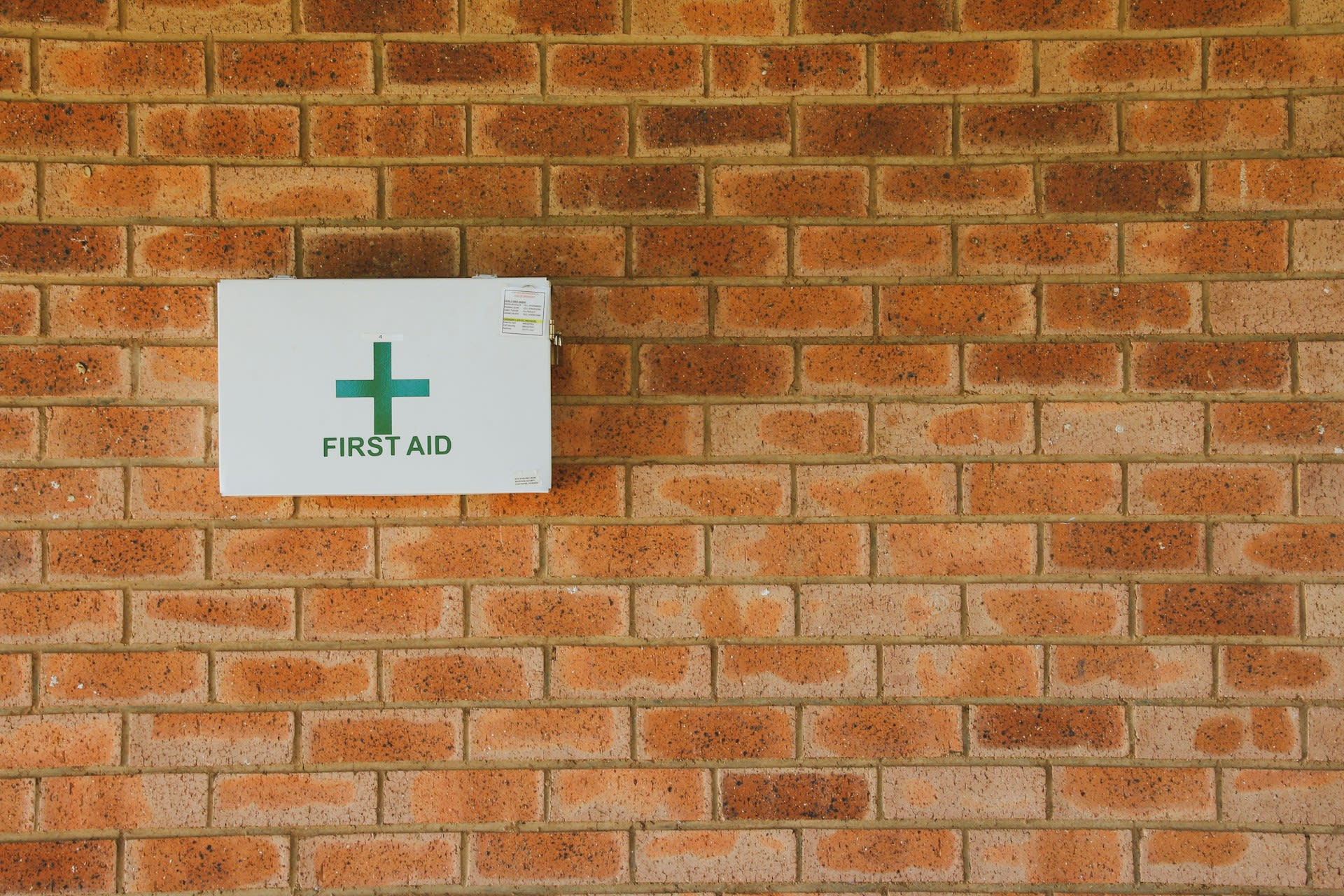
Beyond the supplies themselves, visibility and access matter. A first aid kit shoved in a locked supply room won’t do much good in a pinch. Store it where people actually work: near break rooms, copy areas, or production floors. Label it clearly, and make sure employees know what’s in it and how to use it.
Schedule quick monthly checks to keep the kit stocked and replace anything expired. Encourage your team to speak up when something gets used so it can be restocked before it's needed again. A shared log or checklist can make this easier to manage, especially in larger spaces with multiple kits.
Workplace safety isn't just policy; it's a daily habit. When employees know the tools are there and feel confident using them, they’re more likely to respond quickly in emergencies. That confidence adds up to a safer, more capable team and a workplace that actually walks the talk whenever it comes to health and safety.
Stay Prepared for Any Emergency by Learning CPR Skills at Kiss of Life Atlanta LLC
Having the right supplies is step one. Knowing how to use them confidently is what truly makes a difference.
No matter if you're at home, in your car, or on the job, preparation means more than a stocked box; it means readiness to respond when it matters most.
Stay prepared; improve your safety skills by learning CPR and Basic Life Support with Kiss of Life Atlanta’s certified onsite course.
Our hands-on training goes beyond theory. You’ll walk away with practical skills that empower you to take action during critical moments. We offer flexible, on-site CPR and Basic Life Support training across the Atlanta area, tailored for individuals, families, and workplace teams.
Got questions or ready to book your course? Email us at info@kiss-of-life-atlanta.com or give us a call at 678-933-4290.
Take the initiative. Equip your space with the right tools, and equip yourself with the right knowledge. With Kiss of Life Atlanta, you're investing in real-world skills that protect the people who matter most.